Conveyor wear
Worn chain paths, sliding surfaces, and guide points can be reviewed using the existing part, dimensions, or equipment details.
Conveyor and industrial wear components
Custom UHMWPE wear strips, guide rails, liners and machined components produced from drawings, dimensions or existing samples.
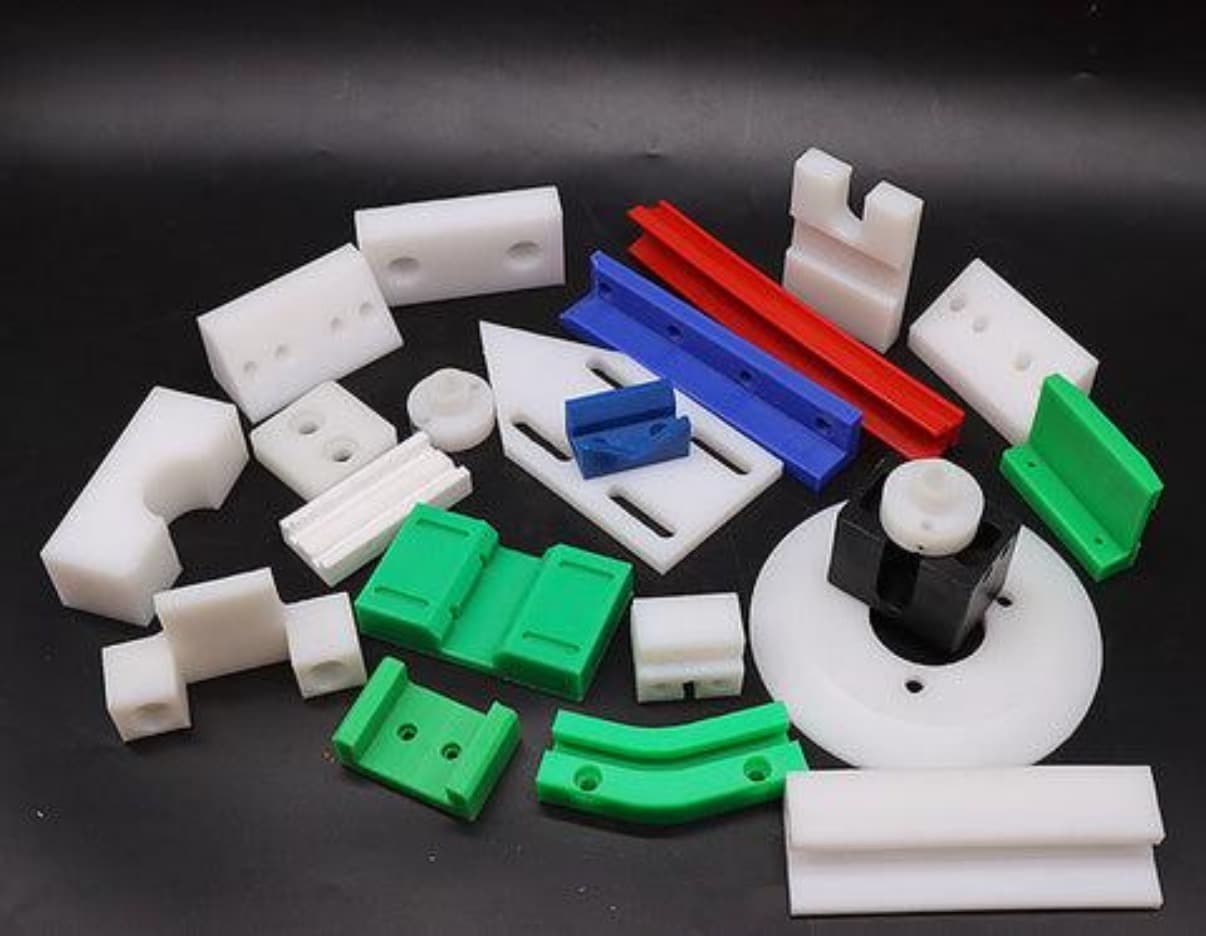
Common wear problems
Wear-part projects often begin with downtime, recurring friction, damaged liners, or a component that is no longer easy to source. Share the best information available for an application review.
Worn chain paths, sliding surfaces, and guide points can be reviewed using the existing part, dimensions, or equipment details.
Material and geometry can be discussed when sliding resistance, product movement, or contact with a mating surface is causing trouble.
Chute, hopper, and equipment liners can be evaluated using drawings, photographs, mounting details, and service conditions.
Discontinued, worn, or difficult-to-source wear parts can be reviewed from available drawings, dimensions, photographs, or samples.
Parts we supply
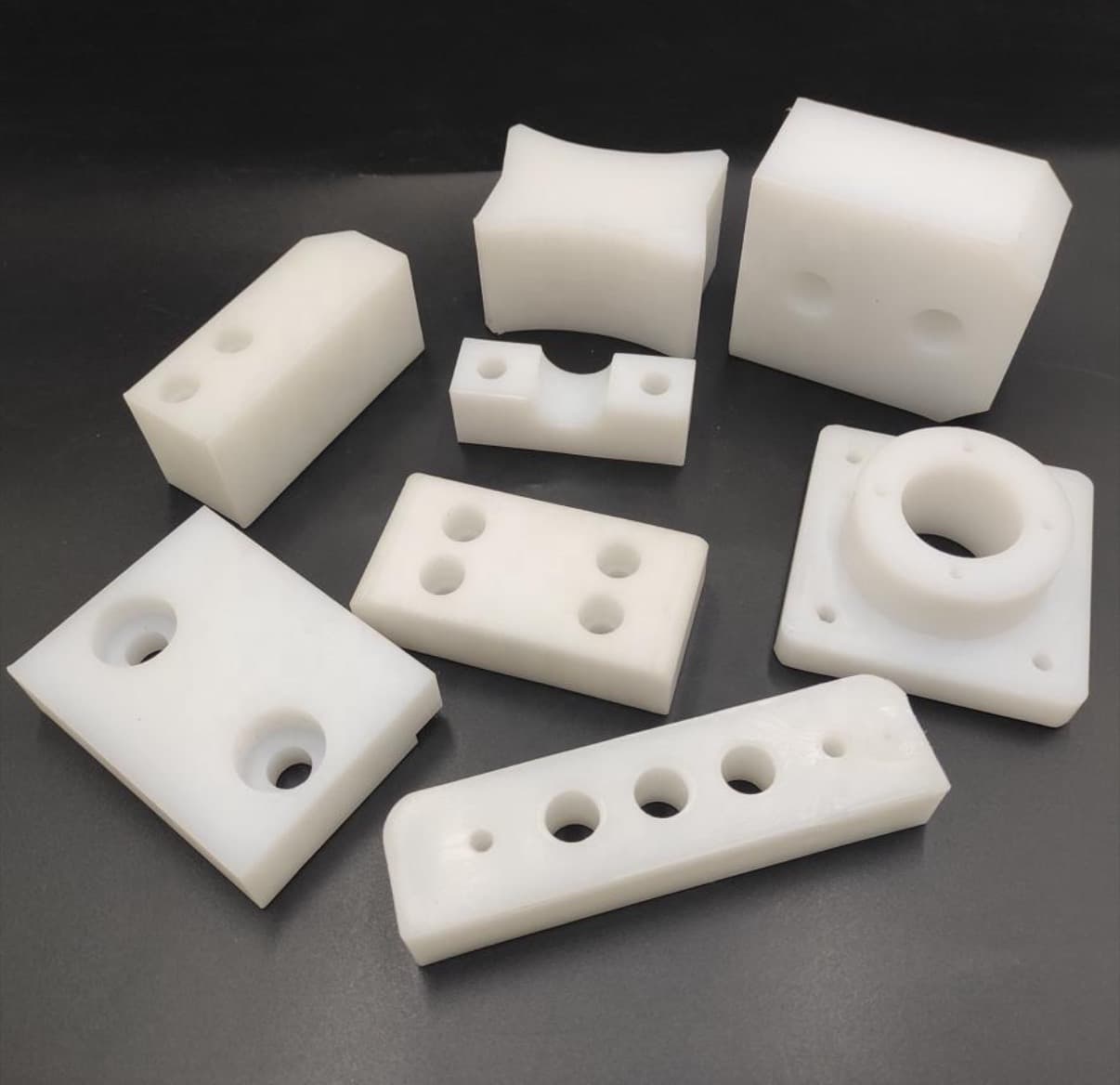
Part geometry, grade, dimensions, mounting details, quantity, and operating conditions are reviewed before the manufacturing route is confirmed.
Applications
Specify the contact surface, movement, load, environment, cleaning conditions, and required service function so material and manufacturing options can be reviewed.
Guides, wear strips, liners, and equipment components where washdown, moisture, and documentation requirements must be defined.
Sliding guides, change parts, profiles, and replacement components for packaging and handling equipment.
Wear surfaces, chain guides, side rails, slide tracks, and custom parts for product and material movement.
Liners, slide plates, wear pads, and guides for chutes, hoppers, transfer points, and handling equipment.
Drawing-based wear parts and replacement components for maintenance teams, equipment builders, and production plants.
Why UHMWPE
UHMWPE should be evaluated against the complete operating environment. Grade, geometry, loading, mating surfaces, temperature, chemicals, and documentation needs can all affect suitability.
UHMWPE is often evaluated for sliding and guiding surfaces where lower friction may support smoother movement.
Its abrasion behavior can make UHMWPE a practical candidate for recurring contact and material-handling applications.
UHMWPE can be considered for parts exposed to impact or intermittent loading, subject to the application review.
Low moisture absorption can be useful in wet or washdown environments when the selected grade meets project needs.
Manufacturing options
The production approach is selected after reviewing stock form, geometry, dimensions, quantity, functional surfaces, and available reference information.
Sheet, plate, blanks, strips, and liner panels prepared to project dimensions.
Profiles, slots, channels, edges, and shaped parts routed from suitable UHMWPE stock.
Mounting holes, countersinks, and fastening features reviewed against the drawing and installation method.
Custom milled or turned components produced from drawings with geometry and inspection needs reviewed before quoting.
Existing drawings, marked photographs, measurements, sketches, or sample parts can support the initial review.
Quote requirements
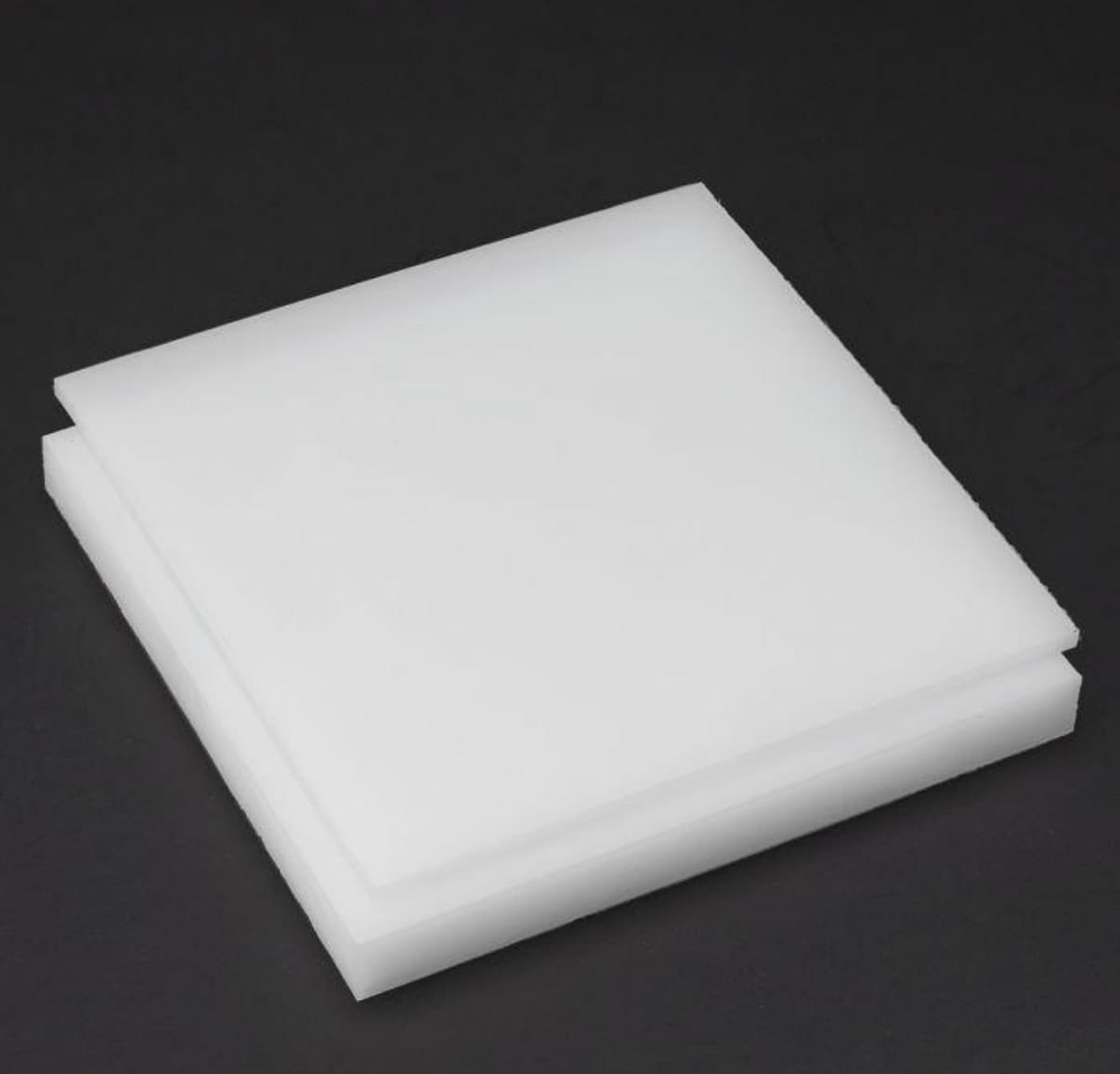
Complete information helps distinguish a simple cut part from a profile, liner, or replacement component that needs additional application review.
Part type and equipment function
Drawing, profile sketch, photographs, or sample availability
Overall dimensions, profile cross-section, and required length
Quantity and expected repeat-order demand
Current material, grade, and color when known
Load, speed, mating surface, and wear conditions
Temperature, moisture, washdown, or chemical exposure
Mounting holes, hardware, critical fit, and inspection requirements
Inspection and documentation
Inspection and documentation are agreed by project so the quotation reflects the drawing, selected material, required records, and practical verification method.
Critical dimensions, mounting features, interfaces, and functional notes should be identified before quote approval.
Inspection scope can be reviewed against the drawing, geometry, quantity, and agreed project requirements.
Material records may be available depending on the grade, source documentation, and agreed quotation scope.
UHMWPE wear parts RFQ
Send a drawing, profile dimensions, part photographs, sample details, quantity, and operating conditions. Unknown details can be identified for follow-up during the review.
Related support
Use the most relevant page for the next purchasing or engineering decision.
Review UHMWPE sheet, properties, available forms, and general material applications.
Start a replacement-part review using drawings, photos, sketches, dimensions, or sample information.
Review machining support for custom plastic components produced from customer drawings.
Explore guides, sliders, fixtures, rollers, supports, and other components for automation equipment.
Buyer FAQ
Practical guidance for equipment builders, maintenance teams, engineers, and purchasing teams.
Wear strips, chain guides, conveyor guide rails, chute liners, slide plates, wear blocks, routed profiles, and custom machined components can be reviewed. Availability and the manufacturing route depend on the grade, geometry, size, quantity, and project requirements.
Yes. A drawing is preferred, but marked photographs, dimensions, profile sketches, equipment information, or an existing sample can help begin the review. Additional measurements or documentation may be needed before production is confirmed.
Send the part type, dimensions, quantity, drawing or photographs, current material when known, application conditions, mounting details, delivery destination, and any critical inspection or documentation requirements.
Custom profile requirements can be reviewed from a cross-section drawing, dimensions, sample, or installation information. The appropriate sourcing and machining route depends on profile geometry, length, quantity, and grade.
UHMWPE is used in many food-processing and packaging applications, but food-contact suitability depends on the specific grade, documentation, operating environment, and buyer requirements. Share all compliance and washdown requirements with the RFQ.
Replacement, maintenance, prototype, and low-volume requirements can be reviewed. Minimum order and production options depend on material stock, part dimensions, geometry, and the required manufacturing process.
Inspection scope and documentation are reviewed by project. Material records or dimensional inspection reports may be available depending on the selected grade, source records, drawing requirements, and agreed quotation scope.